
A panic attack is a sudden burst of intense fear that results in extreme physical responses, despite the apparent lack of threat. It is not worry or stress in itself. It is a complete body reaction. The heart can be racing, breathing can become difficult, and an individual may experience that he/she loses control or is experiencing a severe health problem. It can be a frightening experience that many will never forget even after the episode has ceased.
Others encounter one panic episode at some point in life when they experience overwhelming stress. They start to become more frequent for others. With time, fear of attack may turn out to be as intense as the attack itself. It is there that the appropriate panic attack remedies can come in handy
Why Panic Attacks Happen
Panic attacks do not just happen for no reason. They usually start with things that bother us and get worse over time. This can be because of a lot of stress, feeling really overwhelmed, or things that happened to us a long time ago that we have not really dealt with.
Common causes include:
- Long-term stress or pressure
- Grief or emotional loss
- Trauma or distressing past events
- Sudden life changes
- Lack of proper rest
- High intake of stimulants like caffeine
In many cases, the mind keeps pushing forward while the body holds onto the stress. Eventually, the body reacts. That reaction shows up as a panic attack.

Common Signs and Symptoms
The symptoms can feel intense and very real. Many people mistake a panic attack for a medical emergency during their first experience.
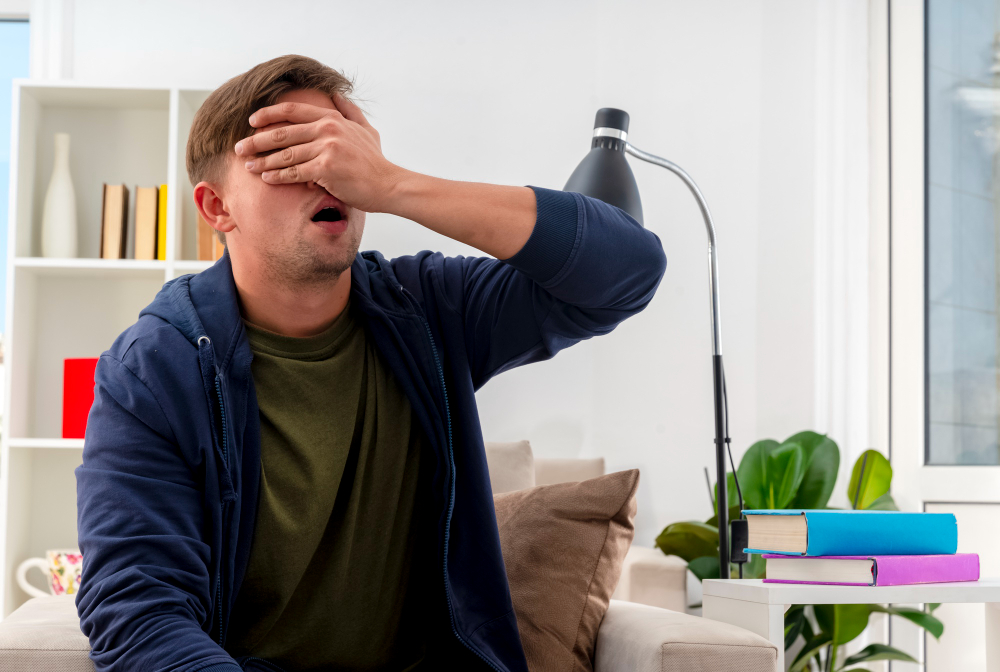
Signs may include:
- Rapid or pounding heartbeat
- Shortness of breath
- Chest discomfort
- Sweating or shaking
- Dizziness or lightheadedness
- A sudden sense of fear or loss of control
These symptoms usually peak within minutes. After the episode, the body may still feel tired or unsettled.
Recognizing these signs early can help reduce the severity of the episode.
How to Manage a Panic Attack
During a panic attack, the goal is to calm the body rather than fight the feeling.
Helpful steps include:
- Slow your breathing with steady inhales and exhales
- Sit or stand in a stable position
- Focus on physical surroundings, such as objects in the room
- Remind yourself that the feeling will pass
These techniques help signal safety to the brain. They may not stop the attack instantly, but they can reduce its intensity.
For long-term relief, a structured panic attack treatment plan is often needed.

When Panic Becomes Ongoing

Panic attacks may start to be repeated in everyday life. Individuals can fear to go to specific areas or circumstances. Social activities can be minimized. Confidence may diminish with time.
Treatments of panic attack disorder in such instances are aimed at treating not only the symptoms but also the underlying causes. Therapy can be used to determine triggers, how to handle responses, and sensitivity to stress.
Through constant attention, most individuals have fewer attacks and fear around them.
Our Approach to Care
At PKM Life Transitions LLC, care focuses on the whole person. Sessions are built around your experiences, not a fixed method.
Support includes:
- Adult mental health counseling
- Help with grief and emotional healing
- Life coaching for personal growth
- Support for changing habits like smoking or overeating
- Guidance for resolving family concerns
Some individuals benefit from deeper methods such as age regression or past life regression. These approaches can help uncover stored emotional patterns that may contribute to panic responses.
Each plan is shaped to match personal needs and goals.
Flexible Care Across Ohio
Accessing care should never be an obstacle; PKM Life Transitions LLC currently has approximately 15 clinicians on staff and serves the western half of the state of Ohio.
For people who cannot commute, home visits can be made to meet their needs. The team at PKM Life Transitions LLC has worked with clients ranging from children and teenagers to adults and has a proven track record of working with PTSD and other dissociative disorders.
When seeking panic attack therapy in Ohio, flexible treatment options make it easier to begin receiving care.
Why Seeking Help Matters
Several individuals delay connecting with others until after an attack has occurred. They may expect the attacks to improve on their own, but they can often come back even more frequently than before.
Failure to receive early support to address fear of panic attacks can result in restricting one’s ability to participate in normal daily activities, as well as establishing an early pattern of not being in control or having confidence.
Finding the correct treatment for panic attacks can restore your sense of balance and peace.
Moving Toward Stability
Recovery takes time, but progress is possible.
You may begin to notice:
- Fewer panic episodes
- Less intense symptoms
- Better sleep and focus
- A calmer response to stress
These changes build gradually. With steady support, they can lead to lasting improvement.
Take the First Step
You do not have to keep living with the fear of panic attacks. Support is available. With the right care, it is possible to feel calm, steady, and in control again.
Frequently Asked Questions
Will panic disorder ever go away?
Many people experience significant improvements with proper treatment. Some may stop having panic attacks entirely. Others may still have occasional episodes but feel more in control. Consistent therapy and support play a key role in long-term recovery.
What is best to treat panic attacks?
A combination of therapy approaches works best. Talk therapy helps manage thought patterns. Emotional healing methods address deeper causes. Lifestyle changes also support recovery. A personalized plan usually gives the best results.
How long does a panic attack last?
Most panic attacks last between 5 and 20 minutes. The peak often happens early in the episode. Thereafter, the body slowly returns to normal. Some people may feel tired or uneasy afterward.
What are the first signs of a panic attack?
Early signs may include a racing heart, tight chest, or sudden fear. Some people feel dizzy or notice quick breathing. Recognizing these signs early can help reduce the intensity of the attack.
How many panic attacks are too many?
If panic attacks begin to affect daily life or create fear of certain situations, it is time to seek help. Even a few repeated episodes can grow into a larger concern if left unaddressed.
Are panic attacks a mental illness?
A single panic attack is not always a mental illness. However, repeated attacks may be linked to panic disorders or anxiety conditions. Proper evaluation helps determine the right form of care.
What is the difference between anxiety and panic?
Anxiety builds gradually and may last longer. Panic attacks occur suddenly and feel more intense. Panic often includes strong physical symptoms, while anxiety is usually a steady sense of worry.
What vitamins are beneficial for panic attacks and anxiety?
Magnesium may help calm the body. B vitamins support brain function. Omega-3 fatty acids may also help improve mood. These should be used as support along with therapy.
How to get back to normal after a panic attack?
Rest and slow breathing help the body recover. Sitting in a calm space and staying hydrated can ease the after-effects. Reflecting on triggers can also help prevent future episodes.
What is the fastest way to stop a panic attack?
Controlled breathing is one of the fastest methods. Slow, steady breaths help calm the nervous system. Grounding techniques also help reduce fear. With practice, these tools become more effective.