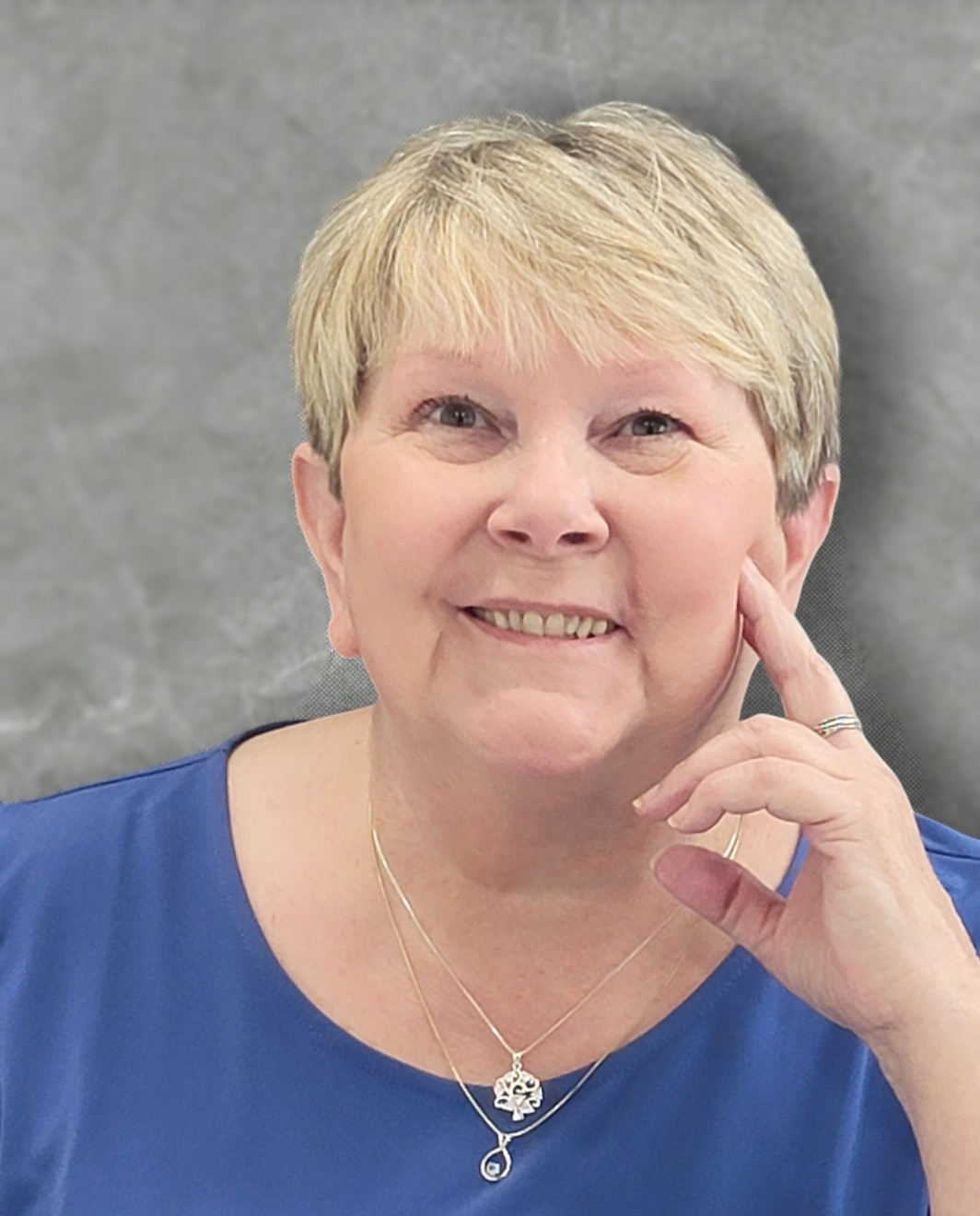
A passion for Mental Health and assistance
Our mission is to provide the best counseling possible. We provide therapy services to assist individuals in achieving life goals. Our clinicians are trained, skilled, and qualified to help you with whatever mental health road blocks you may be facing. We are here so you do not have to face life’s challenges alone.
Latest Posts
- How Effective is Cognitive Behavioral Therapy?
When people first hear about therapy, especially something called cognitive behavioral therapy, it can sound technical or even a bit intimidating. But in real life, it is much more human than the name suggests. At its heart, cognitive behavioral therapy is about one simple idea: the way we think affects the way we feel, and the way we feel affects what we do.
What is cognitive behavioral therapy really like?
CBT is a way of learning how your thoughts shape your emotional world and then gently learning how to change the thoughts that are keeping you stuck. Many people walk into therapy thinking the problem is only outside of them. But CBT helps connect the dots between internal patterns and daily struggles.
For example: “I always mess things up” can lead to anxiety and avoidance; “Nobody understands me” can lead to isolation; “Something bad will happen” can lead to constant stress. CBT helps you slow those thoughts down and look at them more clearly—not everything your mind tells you is a fact.
How effective is CBT in real life?
CBT is one of the most widely used and researched therapy approaches, especially for anxiety and depression. In real life, we see outcomes like reduced anxiety intensity over time, better emotional control during stress, less avoidance of daily responsibilities, improved confidence in decision making, and healthier self-talk.
CBT is not magic, and it is not instant. It works best when someone is willing to show up consistently, practice between sessions, be open to uncomfortable insights, and try new responses even when it feels unfamiliar.
What change looks like over time
At first, a client might say: “I still feel anxious, but I noticed it earlier than before.” Later it becomes: “I was able to stop myself from spiraling.” And eventually: “I handled something I would have avoided in the past.” That steady shift—not sudden transformation—is what CBT looks like in practice.
At PKM Life Transitions LLC, we help individuals and families across western Ohio with anxiety, grief, trauma, and life transitions. Reach out at pkmcounseling@gmail.com or (419) 722-8853.
- What Happens If Panic Attack Disorder Goes Untreated?
Have you ever felt your heart suddenly race, your breathing change, or a wave of fear come over you without warning? A panic attack can feel frightening, especially when there seems to be no clear reason for it. For some people, the fear does not end when the attack passes. They begin worrying about when it might happen again.
That ongoing fear can slowly change everyday life. A person may avoid certain places, cancel plans, or stop doing activities they once enjoyed. This is why untreated panic attack disorder deserves attention. Panic disorder is treatable, and getting appropriate support can help people understand their symptoms and regain confidence.
Understanding Untreated Panic Attack Disorder
A panic attack is a sudden period of intense fear or discomfort. It can cause physical symptoms such as a pounding heart, sweating, trembling, dizziness, chest discomfort, shortness of breath, or a fear of losing control.
One panic attack does not automatically mean someone has panic disorder. Panic disorder involves repeated and unexpected panic attacks, along with ongoing concern about having another attack or changes in behavior because of the attacks.
How Panic Attack Disorder Symptoms Affect Daily Life
The fear of another attack may remain throughout the day. Avoidance can become part of daily life—stopping driving alone, avoiding social gatherings, or turning down travel opportunities because being far from home feels unsafe.
Emotional Effects of Untreated Panic Disorder
Constantly expecting another attack can be exhausting. Panic disorder may occur alongside other mental health concerns, including depression, other anxiety disorders, PTSD, and substance misuse. A complete professional assessment can be useful when several concerns are present.
Why Professional Support Matters
There is no need to wait until panic completely takes over daily life before asking for help. Panic disorder is generally treated with psychotherapy, medication, or a combination of both. Cognitive behavioral therapy is commonly used to help people understand symptoms and develop effective coping strategies.
At PKM Life Transitions LLC, we provide compassionate support for individuals working through panic and anxiety. Contact us at pkmcounseling@gmail.com or (419) 722-8853 to learn more.
- How CBT Techniques Can Help You Respond to Difficult Thoughts
Difficult thoughts are part of life, but sometimes they become so loud that they affect our mood, choices, relationships, and daily routines. CBT techniques for difficult thoughts can help us slow down, look at what our minds are telling us, and respond in a calmer and more balanced way. This blog explains how CBT works, which strategies can help, and when professional guidance may be useful.
CBT Techniques for Difficult Thoughts That Can Help
One useful CBT strategy is simply noticing an automatic thought. Many thoughts happen so quickly that we react before we even realize what we are thinking. Writing the thought down can make it easier to examine.
For example, imagine making a mistake at work. You might immediately think, “My manager thinks I am incapable.” Instead of accepting that thought, ask yourself what evidence supports it. Then consider what evidence does not support it. Perhaps your manager has praised your work before, and the mistake was corrected quickly.
Another helpful approach is to look for thinking patterns. We may sometimes assume the worst, expect perfection, focus only on negative details, or believe we know what another person is thinking. Recognizing these habits can create a little distance between us and the thought.
We can then create a more balanced response. That does not mean replacing a negative thought with something unrealistic. If you think, “I failed because I made one mistake,” a more realistic response might be, “I made a mistake, but one mistake does not define my ability.”
How Cognitive Behavioral Therapy Techniques Change Thinking
CBT can help us understand that thoughts are interpretations, not always facts. This distinction can be especially important when anxiety or self-criticism becomes part of everyday life.
Consider someone who believes, “If I speak in front of people, everyone will judge me.” That belief may create anxiety, which could lead the person to avoid meetings or social situations. Avoidance may provide temporary relief, but it can also keep the fear going.
Practicing CBT Skills in Everyday Situations
CBT skills can be useful outside the therapy room because difficult thoughts often appear during ordinary moments. A stressful conversation, family disagreement, work problem, or unexpected change can quickly trigger old thinking habits.
At PKM Life Transitions LLC, we understand that each person comes with different concerns and life circumstances. Our clinicians work with children, teens, and adults and provide support for a range of mental health and life challenges.
If difficult thoughts are affecting sleep, relationships, work, school, or everyday activities, speaking with a qualified mental health professional may be worthwhile. You do not have to wait until things feel unbearable before asking for support.
- Where to Find the Best Online Therapy for Teenagersn
As parents, guardians, or even teenagers themselves, navigating mental health support can feel overwhelming. Teens today face unique challenges from academic pressures and social media stress to anxiety and panic attacks. Finding affordable online teen therapy services can make a huge difference in a young person’s life, providing flexibility, safety, and professional care right from home. At PKM Life Transitions LLC, we specialize in helping teens and families across Ohio access supportive, personalized therapy that works for their unique needs.
nnnnTable of Contents
nnnn- n
- Understanding Teen Mental Health Needs nnnn
- Why Online Therapy is a Game-Changer nnnn
- Panic Attack Treatment for Teenagers in Ohio nnnn
- How to Choose the Best Online Therapy for Teens nnnn
- Affordable Online Teen Therapy Services: What You Should Know nnnn
- Frequently Asked Questions n
Understanding Teen Mental Health Needs
nnnnTeenagers go through a whirlwind of emotional, cognitive, and social development. Between navigating school, friendships, and family dynamics, many teens experience stress, anxiety, and occasional panic attacks. Research indicates that one in three adolescents struggles with mental health challenges before adulthood, emphasizing the importance of early intervention.
nnnnSigns that a teen may need therapy include:
nnnn- n
- Sudden changes in mood or behaviour nnnn
- Withdrawal from social activities or family nnnn
- Frequent panic attacks or anxiety episodes nnnn
- Difficulty managing schoolwork or daily responsibilities n
Recognizing these signs early and seeking professional guidance can dramatically improve a teen’s emotional well-being.
nnnnWhy Online Therapy is a Game-Changer
nnnnThe rise of teletherapy has made mental health services more accessible than ever, especially for teens who may feel uncomfortable visiting a clinic in person. With affordable online teen therapy services, families in Ohio can now connect with licensed professionals from the comfort of their homes.
nnnnKey benefits include:
nnnn- n
- Accessibility: Teens in rural or suburban areas no longer have to travel long distances. nnnn
- Comfort: Therapy takes place in a familiar environment, reducing anxiety around sessions. nnnn
- Flexibility: Scheduling is easier around school, sports, and extracurricular activities. nnnn
- Continuity of care: Teens can maintain therapy even during vacations, illness, or life transitions. n
Our team at PKM Life Transitions LLC ensures that each session is personalized, safe, and effective, providing a supportive space for growth and healing.
nnnnPanic Attack Treatment for Teenagers in Ohio
nnnnPanic attacks can be frightening for teens and stressful for families. Symptoms may include heart palpitations, shortness of breath, dizziness, and overwhelming fear. At PKM Life Transitions LLC, we offer comprehensive panic attack treatment for teenagers in Ohio, combining evidence-based approaches with holistic therapies.
nnnnOur approach may include:
nnnn- n
- Cognitive Behavioral Therapy (CBT): Helps teens identify triggers and manage anxious thoughts. nnnn
- Mindfulness and Relaxation Techniques: Breathing exercises, meditation, and guided visualization. nnnn
- Hypnotherapy and Energy Work: Optional modalities to address underlying emotional blocks and restore balance. nnnn
- Family Support: Teaching parents strategies to help their teen feel safe and supported. n
Our clinicians have experience with complex conditions, including PTSD and multiple personality disorders (DID), ensuring that every teen receives care that is truly tailored to their needs.
nnnnHow to Choose the Best Online Therapy for Teens
nnnnSelecting the right therapist for a teen can feel daunting. Here’s what to consider when looking for the best online therapy for teenagers:
nnnn- n
- Credentials and Experience: Look for licensed professionals trained in adolescent mental health. At PKM Life Transitions LLC, our team includes LISW-S, MSW, and CHT certified therapists with extensive experience working with teens. nnnn
- Specialized Approaches: Teens benefit from therapies suited to their unique challenges, including CBT, hypnotherapy, family therapy, and trauma-informed care. nnnn
- Flexibility: Ensure the service offers scheduling that accommodates school and extracurricular activities. nnnn
- Insurance and Affordability: Affordable online therapy options can prevent financial barriers from delaying care. Our clinicians accept most insurance plans and Medicare. nnnn
- Personal Connection: A strong rapport between therapist and teen is critical. Most platforms offer introductory sessions to gauge fit and comfort. n
Affordable Online Teen Therapy Services: What You Should Know
nnnnMany families worry about the cost of therapy, but affordable online teen therapy services are increasingly accessible. PKM Life Transitions LLC is committed to providing services that work for families in Ohio without compromising quality.
nnnn- n
- Insurance Billing: Most sessions can be billed to insurance or Medicare. nnnn
- Sliding Scale Options: Families with financial constraints may qualify for adjusted rates. nnnn
- Diverse Therapy Options: From traditional talk therapy to hypnotherapy and emotional healing, our services cater to varied needs. n
By prioritizing affordability and flexibility, we ensure that every teen has the opportunity to access professional support and guidance.
nnnnFinding the right therapy for your teen is an important step toward long-term emotional health. At PKM Life Transitions LLC, we are dedicated to helping teens navigate challenges, manage anxiety, and thrive in a safe, supportive environment. Our experienced clinicians are ready to meet your teen where they are, whether in person or through affordable online teen therapy services, providing care that truly transforms lives.
nnnn
If you’re ready to take the next step, get in touch with our therapists today to learn how we can support your teen’s journey toward healing and growth.Frequently Asked Questions
nnnn[sp_easyaccordion id="1298"]n - What Are the Treatments for Panic Attacks?
Panic attacks can feel sudden, intense, and honestly a little frightening when they hit. Many people describe them like a wave that comes out of nowhere, bringing a fast heartbeat, a tight chest, shaky hands, and a sense of “something is wrong,” even when nothing is physically wrong.
The important thing to know is this: there are real, effective treatments for panic attack disorder, and people do get better. In fact, with the right support, many regain a strong sense of calm and control in their lives again. At PKM Life Transitions LLC, we see this every day. People walk in feeling overwhelmed and leave with tools, understanding, and hope.
Table of Contents
1 Understanding panic attacks in simple terms
2 What treatments for panic attack disorder actually look like
3 Real-life panic attacks treatment approaches that work
4 Natural ways people support panic attacks treatment at home
5 What is the best treatment for anxiety and panic attacks
6 Frequently Asked QuestionsUnderstanding Panic Attacks in Simple Terms
A panic attack is basically your body sounding a false alarm. The brain thinks there is danger, so it triggers a fight or flight response. But there is no real danger present. That is why symptoms can feel so intense. Your heart races, breathing changes, and your mind may jump to worst-case thoughts.
One thing we always remind people is this: panic attacks feel dangerous, but they are not physically harmful. Still, we understand they can seriously affect daily life if they keep happening. When clients come to us asking if there is any treatment for panic attacks, the relief on their face when they hear “yes, there is” is something we never take lightly.
What treatments for panic attack disorder actually look like
When we talk about treatments for panic attack disorder, we are really talking about helping the mind and body learn a new response to stress.
Panic does not usually come from nowhere. It is often connected to stress, trauma, lifestyle pressure, or long-term anxiety patterns.
In our experience, healing starts when a person begins to understand what is happening inside their body instead of fearing it.Some common treatment paths include:
Talk therapy that helps reframe fearful thinking
Learning how to slow down the body’s stress response
Working through past emotional stress or trauma
Building confidence in handling physical sensationsWe often explain it like this to clients: your body is not broken; it is just overprotective. Treatments for panic attack disorder help retrain that response so it does not go into alarm mode so easily.
Where to Find the Best Online Therapy for Teenagers
Real-life panic attacks treatment approaches that work
When people search for panic attack treatment, they are usually not looking for theory. They want something that actually helps in daily life.
Here is what we commonly use and recommend:Talking through patterns and triggers
One of the first steps is simply noticing what tends to come before panic. Sometimes it is stress buildup, sometimes it is lack of sleep, and sometimes it feels random at first.
Once patterns become clear, fear starts to lose its grip.Learning to calm the body
We teach simple techniques like slowing breathing, grounding the senses, and gently bringing attention back to the present moment. These may sound basic, but they are powerful when practiced regularly.
Hypnotherapy and deeper relaxation work
Some of our clinicians use guided hypnotherapy to help clients reach a calm mental state where fear responses can be softened. Many people find this approach surprisingly effective.
Emotional processing
Sometimes panic is connected to unresolved emotional experiences. Working through those safely can reduce how often panic shows up.
At PKM Life Transitions LLC, we also adjust care based on each individual. No two people experience panic the same way, so panic attacks treatment should never be one-size-fits-all.Natural ways people support panic attacks treatment at home
A lot of clients ask how to naturally panic attack treatment can be supported without always relying on therapy sessions or medication.
We always say natural support works best when it is consistent, not extreme.Here are a few simple but effective habits:
Slow breathing during stressful moments
Breathing slowly through the nose and extending the exhale can signal safety to the nervous system.Reducing daily overstimulation
Too much caffeine, lack of sleep, and constant digital stress can make panic more likely.Gentle movement
Walking, stretching, or light exercise helps release built-up tension in the body.Writing things down
Journaling thoughts during or after anxiety can help people understand what they are feeling instead of pushing it away.Grounding exercises
Focusing on physical surroundings like touch, sound, or sight can bring the mind back to the present.These methods do not replace therapy, but they strongly support panic attacks treatment and help reduce intensity over time.
What is the best treatment for anxiety and panic attacks
This is one of the most common questions we hear: what is the best treatment for anxiety and panic attacks?
The honest answer is that there is no single best method for everyone. What works well for one person may not work the same for another.
However, the most effective results usually come from a combination of:
Therapy that focuses on thought patterns
Emotional support and stress understanding
Body-based calming techniques
Lifestyle changes that reduce triggers
Consistent practice of coping skillsIn our work, we often see the best results when clients stay open to trying different approaches instead of expecting a quick fix.
Healing is more like building strength over time than flipping a switch.That is why treatments for panic attack disorder are designed to be flexible and personalized rather than rigid.
Panic Attack Treatment in Ohio
Final Thoughts
Panic attacks can feel overwhelming, but they are treatable. The goal is not just to stop the symptoms but to help people feel safe in their own body again. We have seen many individuals go from feeling controlled by panic to feeling confident in handling it. That shift takes time, patience, and the right kind of support, but it is absolutely possible.
At the heart of panic attacks treatment is one simple idea: you are not stuck this way. With the right care and understanding, calm becomes something you can return to again and again.
Frequently Asked Questions
[sp_easyaccordion id="1567"]
Help is here.
Even if it’s just listening.
“I became a social worker
because your life matters.”
– Pamela K Mills –